

Handcrafted soaps are much more than simple skincare products. Behind these small treasures lies a rich history of tradition and love for natural beauty.
In this article, we will explore the fascinating history of handcrafted soaps, which dates back centuries. Discover how these products, made by hand with natural ingredients, have won the hearts of those seeking to care for their skin naturally and effectively.
History of Handcrafted Soaps
The history of handcrafted soaps has its roots in antiquity. The earliest records of soap use date back more than 4,000 years, in civilizations such as ancient Babylon.
Initially, they were made with rudimentary ingredients, such as ash and animal fat. These primitive soaps were used for personal and household cleaning.
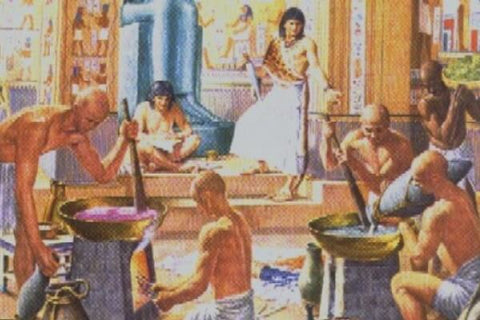
The Art of Saponification
The true transformation in soapmaking came with the discovery of the saponification process, which enables the conversion of fats and oils into soap. This process is attributed to the ancient Phoenicians, who lived around 600 BC.
Later, this knowledge spread throughout the Mediterranean world and Europe.
What is saponification?
Saponification is an ancient chemical process that has been at the heart of handcrafted soapmaking throughout history.
This technique not only transforms basic ingredients into exquisite bars of soap, but has also left a profound mark on the evolution of skincare products.
History of Saponification
This process, which enables the conversion of fats and oils into soap, is attributed to the ancient Phoenicians, who lived around 600 BC. Their knowledge spread throughout the Mediterranean world and Europe, and the saponification technique evolved over time.

The Saponification Process in Practice
Saponification is a chemical reaction involving the combination of fats or oils with an alkaline solution, typically sodium hydroxide (caustic soda) or potassium hydroxide.
This chemical reaction results in the formation of soap and glycerin, a natural humectant. Caustic soda dissolves fats and oils, releasing fatty acids that react to form the fatty acid salts that make up soap.
The saponification process is carried out with great care. Natural oils, such as olive oil, coconut oil, and others, are heated and mixed with the alkaline solution. The mixture is then stirred until it reaches a uniform consistency and saponification is complete.
During this phase, soapmakers can add additional ingredients, such as essential oils, herbs, or clay, to give the soap fragrance and specific properties.
After saponification, the mixture is poured into molds and left to rest for a curing period. This period, which can last weeks or months, allows the soap to continue drying and hardening, making it more durable and beneficial for the skin.
In addition, curing allows any residual caustic soda to break down completely, ensuring the safety of the product.
Soaps in the Middle Ages
During the Middle Ages, artisanal soaps acquired an even more important role in everyday life.
At a time when personal hygiene was not a priority for most people, artisanal soaps became genuine treasures that served not only to cleanse the skin but also to keep it healthy and free of disease.
Monasteries and Soap Production
Medieval monasteries played a fundamental role in the production of artisanal soaps. The monks, renowned for their skill in making natural products, perfected the soapmaking technique.
They used ingredients such as olive oil, laurel oil, and ash to create high-quality soaps. These soaps were highly valued for their ability to cleanse and heal the skin.
Therapeutic Use
In the Middle Ages, artisanal soaps were used not only for hygiene purposes but also for therapeutic purposes. Some ingredients, such as laurel oil, were believed to have healing properties for treating skin conditions such as eczema and psoriasis.
In addition, they were used to combat contagious diseases, such as the plague, as it was believed that regular use of soap helped prevent the spread of disease.
Value and Trade
Artisanal soaps in the Middle Ages had significant value and were considered luxury items. Their production was kept secret in many monasteries, allowing them to maintain a monopoly over these products.
Some monasteries marketed them as a source of income, and the nobles of the time also appreciated these exquisite soaps.
Contribution to Personal Hygiene
Despite the harsh living conditions in the Middle Ages, the use of artisanal soaps helped improve people's personal hygiene and quality of life.
Cleansing the skin helped prevent infections and maintain a healthy appearance at a time when life expectancy was considerably lower than it is today.
Legacy of Medieval Artisanal Soaps
The tradition of artisanal soaps established in the Middle Ages has endured to this day. Although manufacturing techniques have evolved, the focus on natural ingredients and respect for the skin remain fundamental to the production of modern artisanal soaps.
Today's artisanal soaps continue to honor the medieval tradition by using quality ingredients and meticulous production methods.
The history of artisanal soaps in the Middle Ages is a reminder of the enduring importance of these natural products, which not only cleansed but also healed and cared for the skin of those who used them.
The Industrial Revolution and the Artisanal Resurgence
The Industrial Revolution, which took place throughout the 19th century, transformed soap production and marked a significant milestone in the history of artisanal soaps. As machines and mass production took over the industry, traditional artisanal manufacturing methods were threatened.
However, this era also paved the way for a future resurgence in artisanal production, thanks to growing interest in sustainability and the quality of natural products.
Industrialization of Soap Production
During the Industrial Revolution, soap production became highly mechanized. Large factories began producing soap in large quantities, using cheaper but less natural ingredients than those used in artisanal soaps.
Commercial soaps became more accessible, but they also lost some of the quality and skin-beneficial properties of traditional artisanal soaps.
Resurgence of Interest in Artisanal Products
As the 20th century progressed, a shift in consumer attitudes was observed. Interest in returning to natural and handmade products grew. The search for natural products,free of chemicals and environmentally friendly, led to a resurgence in handmade soap production.
People began to value quality over quantity again and appreciate authenticity and handmade craftsmanship.
Quality, Natural Ingredients, and Sustainability
Modern consumers value natural ingredients and sustainability in soap production.
Handmade soaps, made with essential oils, herbs, and other natural ingredients, have become an attractive option for those seeking to care for their skin naturally and in an environmentally friendly way.
Handmade Soaps in the 21st Century
Today, handmade soaps have experienced an impressive renaissance. Artisans around the world have embraced tradition and merged it with innovation, creating a wide range of unique, high-quality soaps. Consumers seek handmade soaps made with passion and care, and appreciate the attention to detail these products offer.
The Satisfaction of Handmade Products
The revival of interest in handcrafted products goes beyond product quality.
Buying handmade soaps means supporting small producers and artisans, which often means a more personalized and satisfying shopping experience.
Every handmade soap tells a story and reflects the dedication of its creator.
Conclusion
The history of handmade soaps is a story of evolution and tradition that has endured over the centuries. Today, handmade soaps represent a connection with nature and respect for quality ingredients.
At our online store, we are proud to continue this tradition by offering high-quality handmade soaps that pamper your skin in the most natural way possible. Discover the charm of handmade soaps and their historical legacy in every bar we offer!

We hope this article has given you a fascinating insight into the history of handmade soaps and inspired you to try these natural, handcrafted products in your skincare routine. Discover the beauty of tradition in every soap you use!